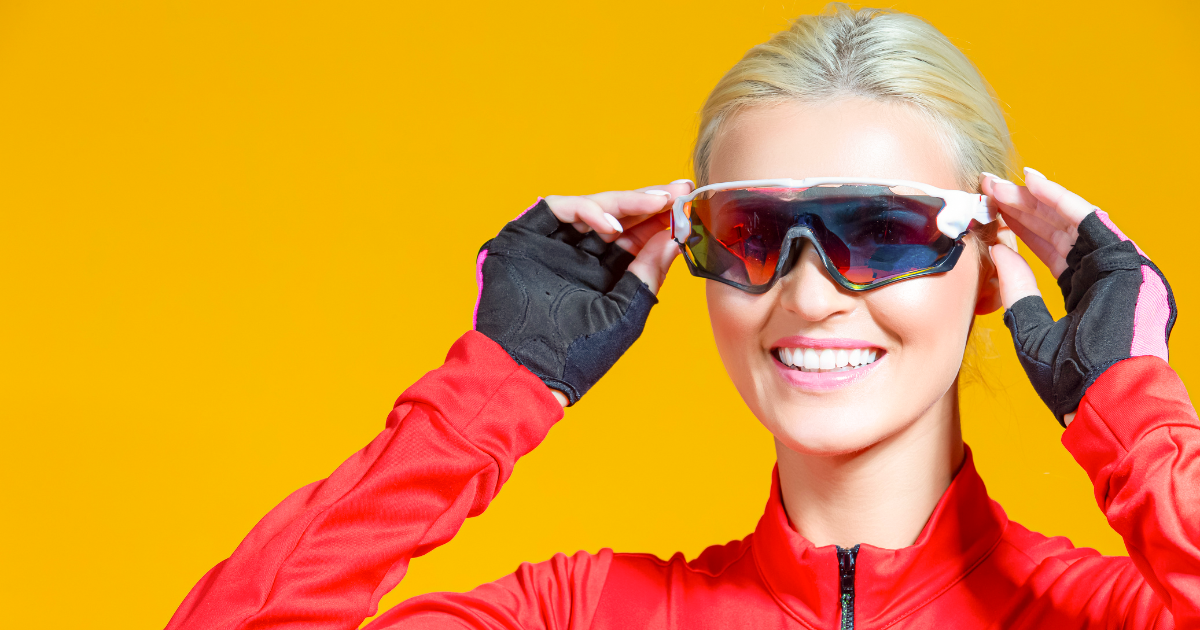
If your body is like a football team, then think of your eyes as the star quarterback. While they assess the best course of action, it’s the rest of the team’s job to keep them safe. This is especially true when you’re participating in sports like football, soccer, basketball, or any other athletic activities.
The biggest difference between your eyes and a quarterback is that, when they get hurt, there’s no backup. That’s why it’s important that we recognize Sports Eye Safety Month. In this blog, you’ll find our game plan to help keep your vision safe, both on and off the field.
What is Sports Eye Safety Month?
According to the American Academy of Ophthalmology, around 100,000 people in the United States experience a sports-related eye injury each year. Around 30,000 of these injuries are treated in emergency rooms—with about 13,500 resulting in permanent vision loss.
Just because sports pose a risk to our eyes doesn’t mean we have to forgo the love of the game. Over 90% of sports-related eye injuries can be prevented by wearing proper protective eyewear.
Options for Protective Eyewear
Each sport has its own set of rules, so they require their own type of protective eyewear. Here are some recommended options for eye protection based on specific sports:
- Football – Polycarbonate face shield and helmet
- Baseball – Sport goggles or sunglasses on the field
- Basketball – Sports goggles or rec specs on the court
- Hockey – Helmet and protective face shield
- Tennis – Durable glasses with polycarbonate lenses, contacts, sunglasses, or rec specs
- Soccer – Sports goggles or rec specs
- Swimming – A durable pair of prescription goggles. Don’t wear contacts, as they can collect bacteria when exposed to water
- Golf – Polarized sunglasses or prescription glasses with light-filtering lenses
- Track & Field – Durable sports glasses, sunglasses, or prescription glasses with light-filtering lenses
- Skiing – Goggles with UV and snow glare protection
Your Vision is No Game
When it comes to vision, Center For Sight is your teammate, helping you keep your eye on the ball—and out of harm’s way. There are various types of eye protection designed to keep your eyes safe while you’re staying active, but it’s up to you to make sure that you wear the right kind while you play, so you don’t wind up on the bench or in the emergency room.
When we can have fun and keep our eyes safe, everybody wins.
If you want more tips on how to score big in protecting your vision, schedule an appointment with us by calling (702) 724-2020 or scheduling online.